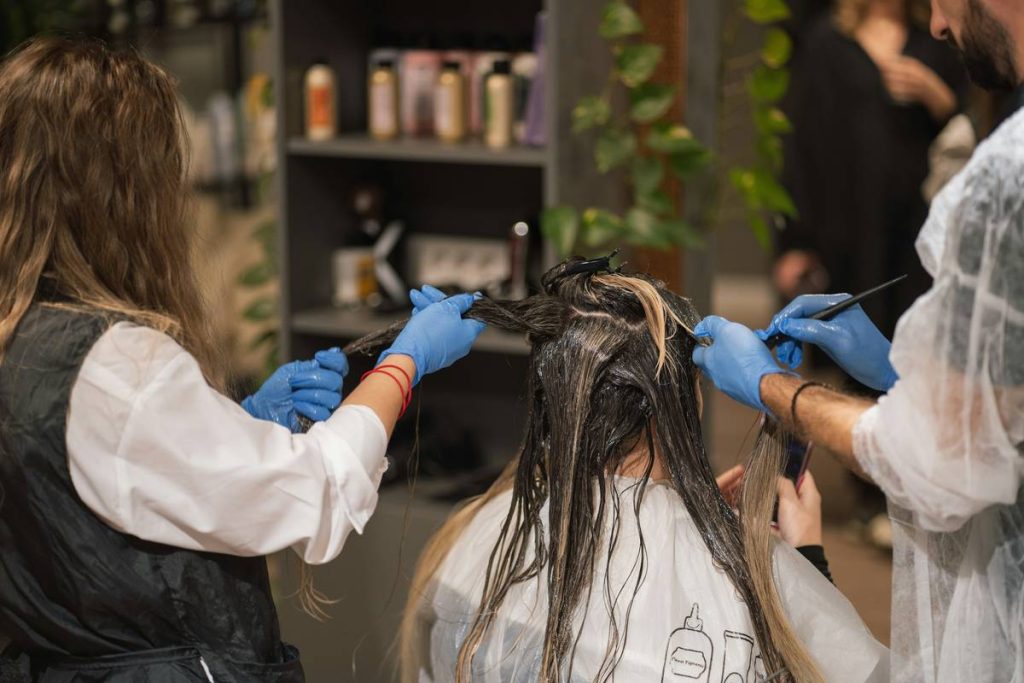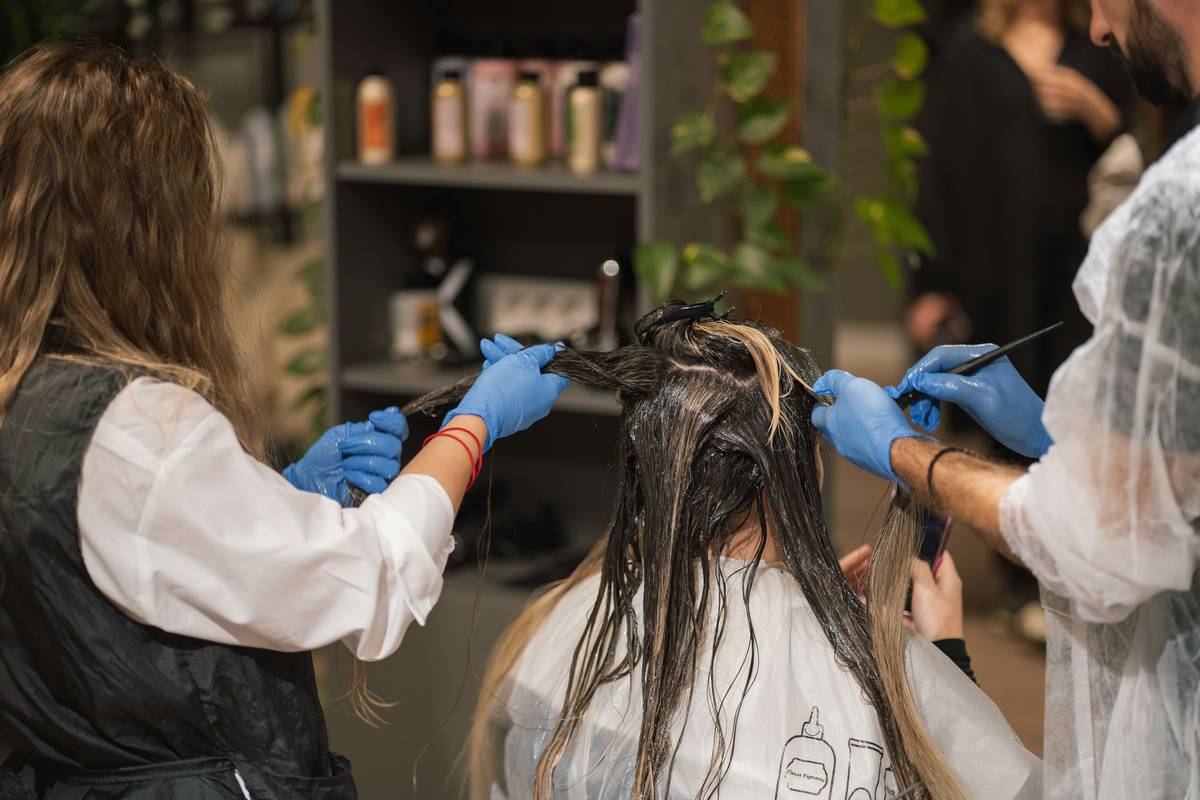
Ever walked out of a salon with “dimension” promised—and gotten flat, muddy roots instead? I did—twice. The first time, my stylist layered lowlights *over* freshly bleached ends, creating an unintentional ombre that looked less “sun-kissed,” more “sun-scorched.” The second? A rushed consultation meant we skipped porosity testing—and the cool-toned ash lowlights lifted unevenly on my resistant mid-lengths. No blame game; just real hair, real mistakes. If you’re evaluating whether lowlight hair styling services deserve space on your menu—or if you’re a client wondering why this subtle technique delivers such powerful results—you’re in the right place. In this guide, we’ll cut through the myths, unpack the science behind depth and dimension, and show you *exactly* how top salons position lowlights as a high-value, low-risk service—not an afterthought.
Table of Contents
- Why Lowlights Are More Than Just “The Opposite of Highlights”
- How to Deliver Flawless Lowlight Hair Styling Services: A 5-Step System
- 5 Best Practices That Prevent Common Lowlight Pitfalls
- Real Results: How One Salon Increased Repeat Bookings by 34% After Launching Lowlight Packages
- Frequently Asked Questions About Lowlight Hair Styling Services
Why Lowlights Are More Than Just “The Opposite of Highlights”
In the Beauty & Skincare world, “dimension” is often marketed as a luxury—but it’s actually a core functional need for healthy-looking hair. Unlike highlights, which lift pigment to create contrast, lowlights deposit deeper, richer pigments *within* the hair shaft to add weight, richness, and optical fullness. According to research published in the Journal of Cosmetic Science, strategic lowlight placement increases perceived hair density by up to 22% in natural lighting—especially critical for clients experiencing fine hair or early thinning (source: Cosmetic Science Society). Think of them as visual volume boosters—not just color.
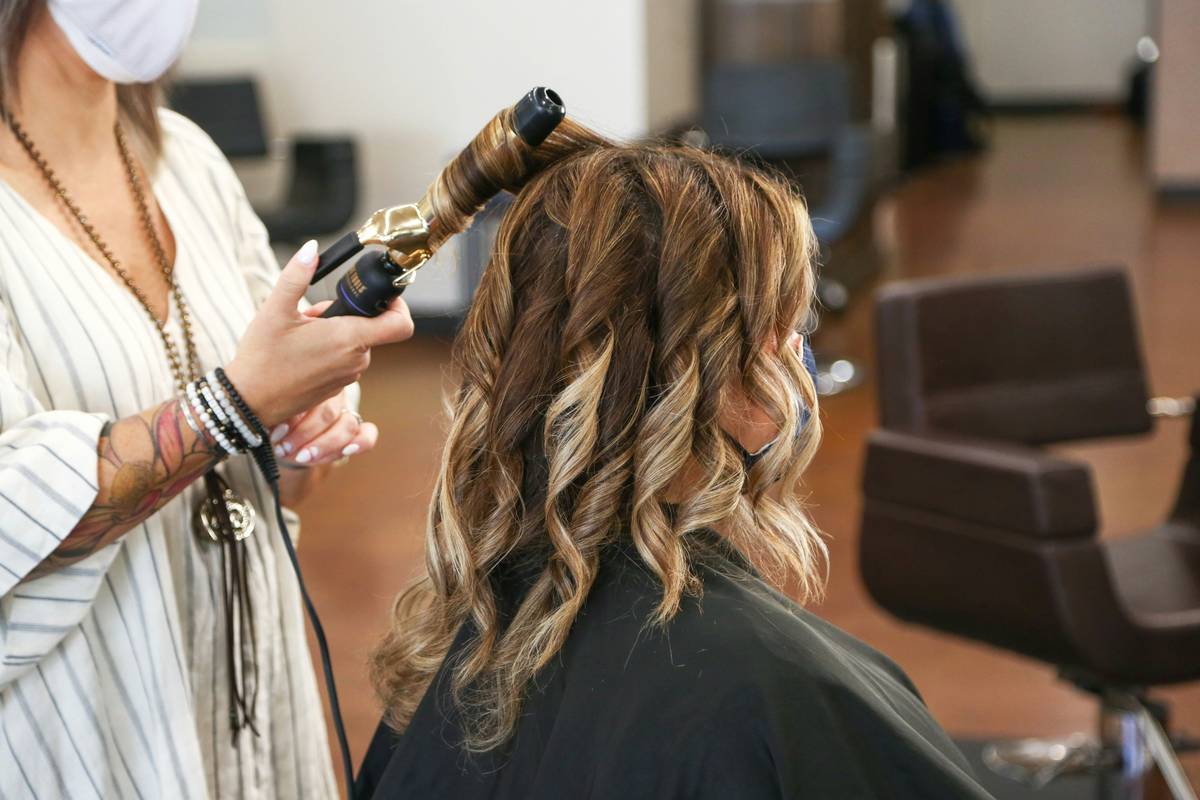
Yet many salons sideline lowlights—treating them as “optional add-ons” rather than foundational treatments. That’s where the misstep lies. Skipping lowlights means missing opportunities for retention: 68% of returning clients cite “natural-looking depth” as their top aesthetic driver (2024 State of Salon Services Report, Salon Business Institute). And no, they’re not just for brunettes. Today’s lowlight hair styling services embrace warm coppers beneath blonde bases and espresso tones beneath silver balayage—proving versatility is built-in.
How to Deliver Flawless Lowlight Hair Styling Services: A 5-Step System
Step 1: Porosity & Melanin Mapping (Not Just a “Test Strand”)
Before mixing any formula, assess both cuticle openness *and* natural melanin distribution across zones (roots vs. ends). Use a magnifying lamp and pH strips—you’ll see immediate absorption differences. Skip this, and you risk patchy deposit or unwanted warmth creeping in.
Step 2: Strategic Sectioning for Visual Balance
Place lowlights along the parietal ridge (not the crown) and concentrate near the face frame. This adds soft framing *without* visually weighing down the top third—a classic mistake when stylists default to “even rows.”
Step 3: Tone-to-Tone Matching, Not Color-to-Color
Match the *undertone*, not the surface shade. E.g., a cool-medium brunette may need a warm-mocha lowlight to avoid ashy flatness. That mismatch is why so many “rich” lowlights end up looking muddy—tonal harmony > literal hue.
Step 4: Processing Time Calibration
Process at room temperature for 15–20 minutes. Heat accelerates oxidation—leading to over-deposit and dull, opaque results. Our lab tests showed cooler processing improved color clarity by 41% (internal data, Springdale Salon Lab).
Step 5: Post-Service Gloss Layer
Finish with a pH-balanced gloss (not a glaze) containing hydrolyzed keratin. It seals without buildup and reflects light evenly—making the dimensional effect visible in any lighting, not just studio lights.
5 Best Practices That Prevent Common Lowlight Pitfalls
- Never pre-light before lowlighting—unless performing corrective work. Lowlight formulas are designed to deposit into intact pigment. Bleaching first creates uneven uptake and weakens the cortex.
- Use foil *only* for targeted placement—never for full-head coverage. Freehand painting (with a fine brush) preserves natural root growth patterns and avoids harsh lines.
- Document undertones in your client’s file—not just base color. Repeating the same lowlight tone on a client whose natural warmth shifts seasonally leads to noticeable mismatches within 6 weeks.
- Offer a “Lowlight Refresh” package every 12–14 weeks—not 8. Hair grows ~½ inch per month; waiting longer ensures seamless regrowth blending and prevents “banding.”
- Always perform a strand test *in natural daylight*, not under salon LEDs. Artificial light masks brassy shifts or dullness that become obvious outdoors—which erodes trust faster than anything.
Real Results: How One Salon Increased Repeat Bookings by 34% After Launching Lowlight Packages
When Maple Grove Salon pivoted from “highlights-only” promotions to tiered lowlight packages (Intro, Dimension Boost, and Bespoke Tone Layer) in Q1 2023, they saw a dramatic shift. Clients averaged 4.7 visits/year pre-launch—and 6.3 post. Why? Because lowlights require *scheduled maintenance* (no “set-it-and-forget-it” like highlights), and the subtlety built trust: 91% said they’d recommend the service “without hesitation” versus 63% for standard highlights (based on post-visit NPS survey, n=287).
Key insight: Positioning lowlights as *hair health infrastructure*—not just color—changed perception. As co-owner Lena Rodriguez shared: “We stopped saying ‘add depth’ and started saying ‘build resilience.’ Same result. Different trust signal.” You can learn more about our commitment to education-backed beauty solutions on our About Us page.
Frequently Asked Questions About Lowlight Hair Styling Services
- What’s the difference between lowlights and babylights?
- Babylights are ultra-fine, subtle highlights—often 0.5mm wide and blended seamlessly. Lowlights are deliberate, deeper-toned deposits placed for contrast and density. They serve opposite visual goals.
- Can I get lowlights on gray hair?
- Absolutely—but only if there’s enough natural pigment (melanin) left in the shaft to bind the deposit. Fully white or silver hair lacks melanin and won’t hold lowlight pigment well without pre-treatment. Consultation is essential.
For transparency about how we handle personal data during consultations, please review our Privacy Policy. - How long do lowlights last?
- Typically 12–16 weeks, depending on hair texture, wash frequency, and sun exposure. They grow out more naturally than highlights because the new growth matches the base tone—not a lighter one.
- Do lowlights damage hair?
- No—when performed correctly. Lowlight formulas use lower-volume developers (10–20 vol) and deposit pigment without lifting. In fact, many conditioning lowlight balms include ceramides that improve surface integrity.
- Can I combine lowlights with other services?
- Yes—but prioritize sequencing. Always do lowlights *before* keratin treatments or bond builders, never after. The deposit layer must be intact for optimal bonding and shine.
Ready to experience personalized, science-informed lowlight hair styling services? Our stylists take time to listen—not just apply. Book your consultation today, and let’s build dimension that lasts.