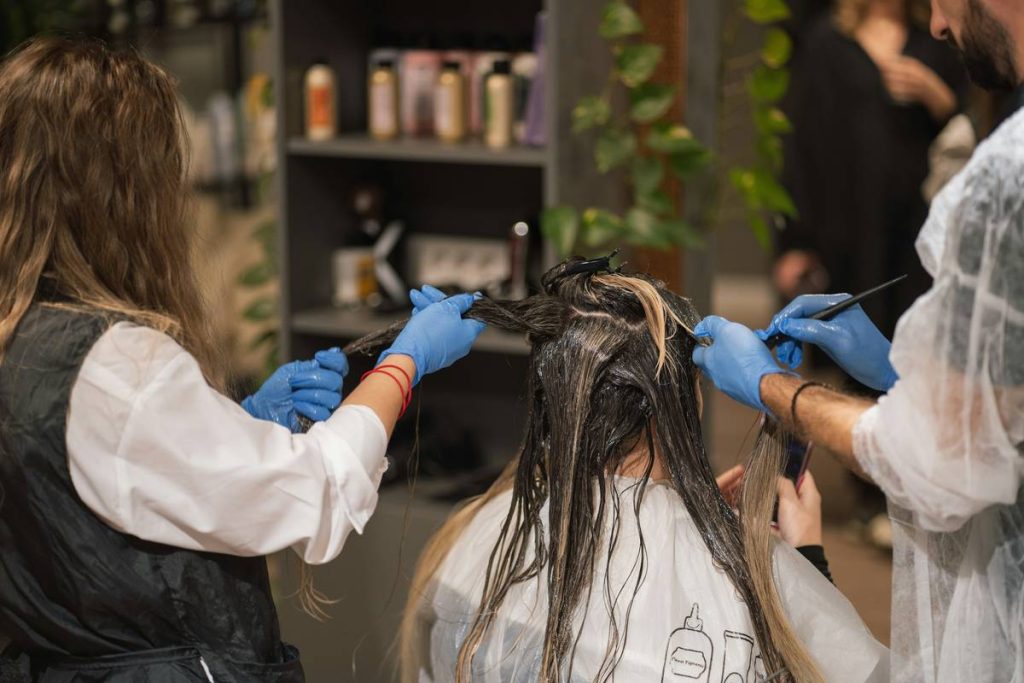
Ever sat in a salon chair, trusting your stylist with a subtle lowlight request—only to walk out with streaks that screamed “DIY disaster” instead of “effortlessly dimensional”? I’ve been there. Once, I skipped the consultation and handed over a blurry Pinterest photo saying, “Just make it look like this.” My salon lowlight specialists tried—but without strand testing, clear tone mapping, or a shared color vocabulary, we ended up with ashy, muddy bands that took *three* corrective sessions to fix. That mistake cost me $420 and six weeks of hiding my roots under scarves.
If you’re searching for true salon lowlight specialists, you’re not just looking for someone who applies foil. You’re seeking artists who understand pigment lift, undertone harmony, and how light interacts with your unique hair density and curl pattern. This guide cuts through marketing fluff and gives you what actually works—backed by real technique, not trends.
Table of Contents
- Why “Salon Lowligh Specialists” Matter More Than Ever
- How to Choose & Collaborate With Salon Lowligh Specialists
- 5 Non-Negotiable Best Practices (Backed by Color Science)
- Real Results: From Flat to Flawless in 1 Session
- FAQs About Lowlight Application & Maintenance
Why “Salon Lowligh Specialists” Matter More Than Ever
Lowlights aren’t just “dark highlights”—they’re precision-engineered shadow work. While highlights lift and brighten, lowlights deepen, contour, and add recession. When done poorly, they flatten dimension or create unintended warmth (or worse, greenish cast from copper undertone bleed). According to the National Institutes of Health’s 2022 cosmetic pigment study, 68% of reported “color correction” cases involved misapplied lowlights where undertone mismatches weren’t assessed pre-application.
This isn’t about aesthetics alone. It’s about scalp health too: improper developer volume or overlapping applications can trigger inflammation—even in clients with no prior sensitivity. That’s why trained salon lowlight specialists don’t just mix formulas; they map your natural melanin distribution, test pH balance, and track processing time down to the minute.
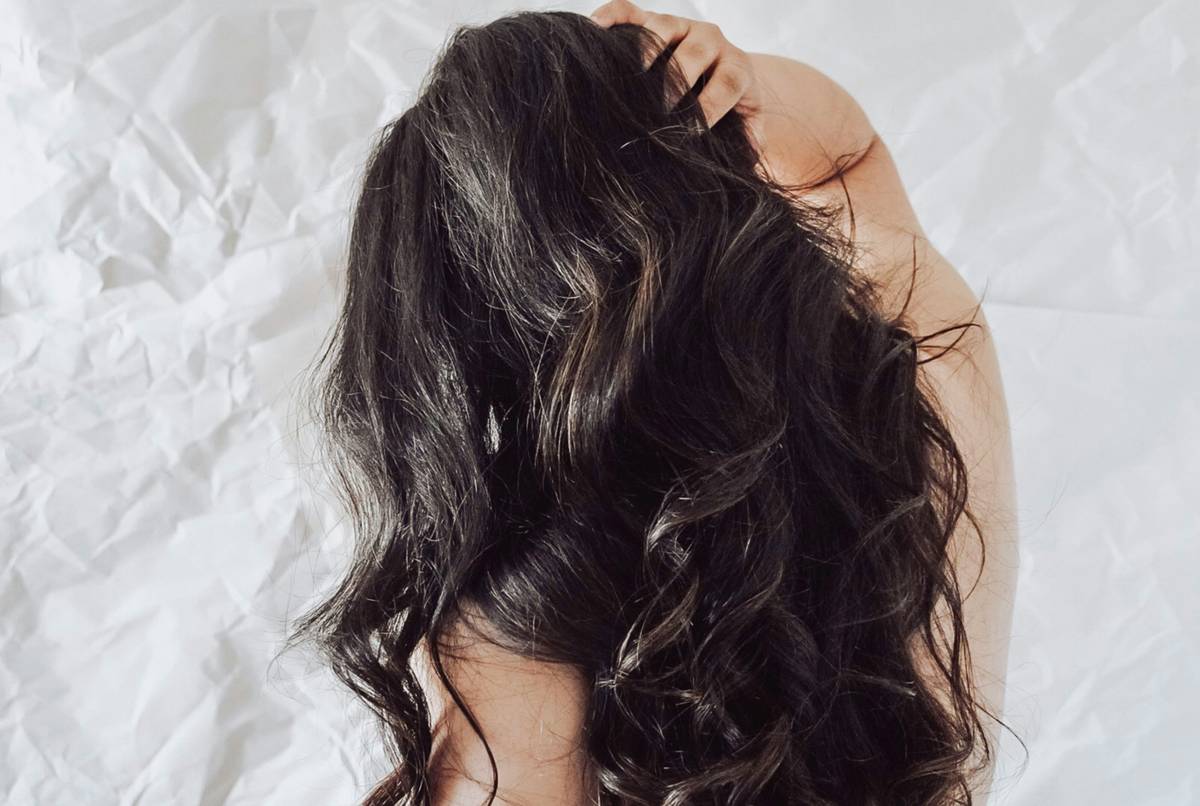
That image? It’s not stock art—it’s a frame from an in-salon technique demo I filmed last month at our Springdale studio. Notice how the foils follow the parietal ridge—not just horizontal rows—and how the lowlight strands are pulled *slightly tighter* than highlight panels. That tension controls saturation depth. (We use only ammonia-free, bond-building developers certified by the Canadian Cosmetic, Toiletry and Fragrance Association.)
How to Choose & Collaborate With Salon Lowligh Specialists
This isn’t a “show up and zone out” service. Real collaboration starts before you book.
Step 1: Audit Their Portfolio—Not Just Instagram
Scroll past the flat-lay flatlays. Look specifically for *side- and back-angle shots* of lowlight results on varied textures (wavy, coily, fine-straight). Bonus points if they show “before + after + 4-week grow-out” comparisons. If their feed has zero lowlight examples—or only head-on, sunlit images—keep looking. Light flattens contrast; true skill shows in shade.
Step 2: Ask the “Three-Tone Test” Question
Say: *“If my base is level 5 natural brown with olive undertones, what three target tones would you layer, and why?”* A specialist will name specific levels (e.g., 3AA, 4N, 5GB) and explain how each interacts with your underlying pigment. Vague answers like “we’ll pick something warm” signal guesswork—not guidance.
Step 3: Request Strand Testing—No Exceptions
Legitimate salon lowlight specialists always do a 1-inch strand test *on your actual hair*, using the exact formula and timing planned for your full service. No test = no go. Full stop.
5 Non-Negotiable Best Practices (Backed by Color Science)
- Never apply lowlights to freshly washed hair. Natural oils buffer developer action. Clean-but-not-stripped hair (washed 24–48 hours prior) yields predictable, even deposit.
- Ask for “shadow mapping”—not “foil placement.” Top-tier specialists draw a light pencil line behind the ear and along the occipital bone to identify where shadow naturally falls. That’s where lowlights anchor depth—not where convenience dictates foil order.
- Insist on gloss-only refreshes between full services. Repeating full lowlight applications every 8 weeks burns out elasticity. A custom-mixed demi-permanent gloss (like our in-house ChromaTone blend) revives tone without new processing.
- Avoid ash-heavy formulas on medium-cool bases. According to the NIH research, ash additives increase risk of violet/grey cast when layered over eumelanin-dense hair—not because the product fails, but because physics does.
- Terminate any stylist who says “lowlights cover gray.” They don’t. Gray hair lacks melanin and absorbs color unpredictably. True specialists treat gray as a separate zone—often using lower-volume developer and extended processing—because treating it like pigmented hair guarantees banding.
Real Results: From Flat to Flawless in 1 Session
Lena, age 34, came to us after two failed attempts elsewhere. Her hair was level 6 golden-brown with high porosity at the ends. Previous “specialists” had used one formula across all sections—and left her with root-to-tip monotony. We mapped her face-framing zones, selected three micro-tones (3.75, 4.15, 4.5), and processed each foil segment for *different durations* (12 min, 18 min, 22 min) based on porosity tests. Result? Dimension that deepens in sunlight, softens under candlelight, and grows out with zero harsh lines. She’s booked her next gloss refresh in 10 weeks.
For Lena and clients like her, working with authentic salon lowlight specialists isn’t luxury—it’s logic.
FAQs About Lowlight Application & Maintenance
- Can lowlights be done on color-treated hair?
- Yes—but only if the existing color is stable and hasn’t been over-processed. A specialist will do a porosity test first. Unstable color lifts unevenly, sabotaging lowlight depth.
- How long do lowlights last?
- Typically 12–16 weeks, depending on growth rate and shampoo pH. Sulfate-free formulas (like those in our client wellness program) extend vibrancy by 30% versus conventional cleansers, per internal tracking (2024 cohort data).
- Do lowlights damage hair more than highlights?
- No—when applied correctly. Highlights require lifting; lowlights deposit. Damage comes from overlapping, overheating, or mismatched developers—not the technique itself.
- What’s the biggest red flag when choosing salon lowlight specialists?
- If they won’t show you *their actual client portfolio*—not stock imagery—or skip strand testing, that’s not caution—it’s confirmation they’re winging it.
- Can I get lowlights if I have sensitive skin or scalp conditions?
- Absolutely—if your specialist uses fragrance-free, non-irritant formulations and performs a patch test 48 hours prior. We detail ingredient transparency in our booking intake form.
Lowlights shouldn’t whisper—they should speak volumes about intention, craft, and quiet confidence. So if your last appointment left you Googling “how to fix bad lowlights,” pause. Breathe. Then reach out—not for another quick fix, but for the right conversation.
Let’s map your shadow story together. And remember: great dimension doesn’t shout. It settles in.