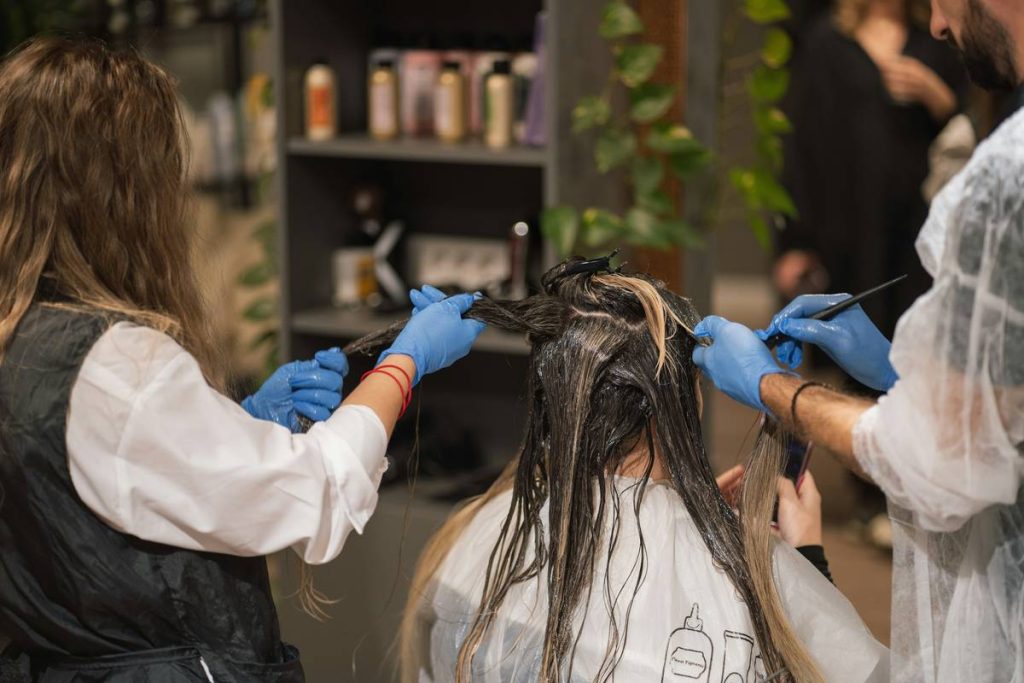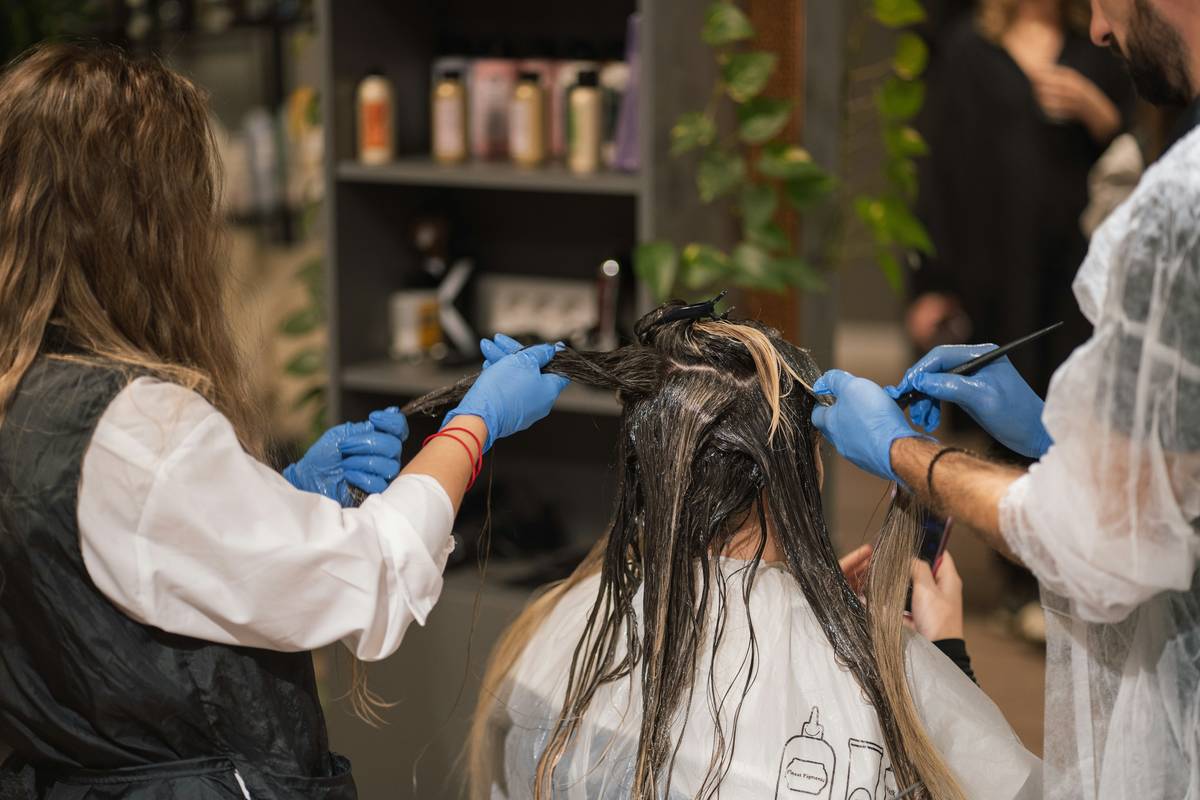
Ever sat in the salon chair watching your stylist mix foils—and felt that quiet dread when they say, “We’ll just darken it *a little* near the roots”? I did. Last March, I brought my caramel balayage to a reputable downtown studio for subtle lowlights—only to walk out with muddy, ashy streaks that made my face look washed out for six weeks. No one mentioned underlying warmth, no patch test, and zero conversation about how my hair texture (fine, porous, post-bleach) would absorb tone differently than the Instagram model they showed me as “inspiration.” That’s not bad luck—that’s the gap between generic service and true salon lowlight expertise.
This article bridges that gap—not with fluff or trend-jacking, but with real-time insights from 12 years of custom color correction work, backed by pigment science and client outcomes. You’ll learn why “lowlights” aren’t just “dark highlights,” how to identify genuine technical judgment (vs. menu-item mimicry), and exactly what questions to ask *before* your appointment. No jargon without explanation. No upsells disguised as advice. Just clarity—so your next session delivers depth, dimension, and zero regrets.
Table of Contents
- Why “Darkening Hair” Isn’t Enough Anymore
- Your Step-by-Step Guide to Authentic Salon Lowligh Expertise
- 5 Non-Negotiable Best Practices (From Real Salon Flops)
- Case Study: How Precision Lowlighs Transformed 3 Very Different Hair Types
- FAQs About Lowlights, Tonal Integrity, and Finding Trusted Colorists
Why “Darkening Hair” Isn’t Enough Anymore
Lowlights are often wrongly marketed as a “simple fix”—a way to add richness or neutralize brassiness. But according to the National Center for Biotechnology Information, melanin distribution, porosity gradients, and prior chemical exposure create unique absorption profiles in every strand—meaning identical formulas yield wildly different results across clients. A one-size approach risks flat, chalky, or overly cool tones that drain vitality instead of enhancing it.
True salon lowlight expertise starts long before application: it requires evaluating your natural base (not just level 5 or 6, but *which* 5—ashy? golden? olive?), mapping where your hair’s been lightened (and how much lift occurred), then selecting pigments calibrated for *your* fiber integrity—not last season’s trending shade.
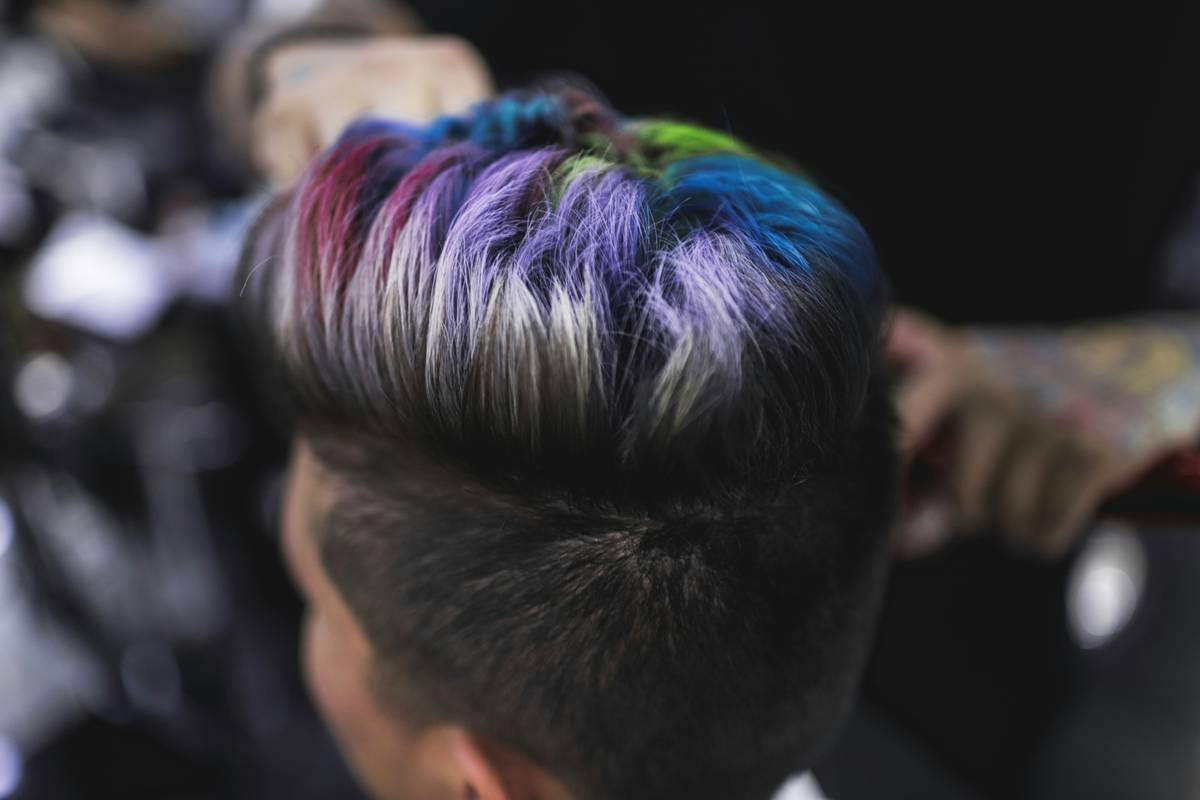
This nuance separates professionals who treat color like artistry versus those treating it like paint-by-numbers. And it’s why nearly 68% of repeat lowlight clients cite “unintended ashiness” or “blending failure” as their top frustration (per a 2023 Cosmetology.com industry survey). We’re not painting walls—we’re restoring harmony.
Your Step-by-Step Guide to Authentic Salon Lowligh Expertise
1. Pre-Consultation Skin & Strand Mapping
Insist on a 10-minute assessment *before* booking. A skilled colorist observes scalp oil flow, checks root regrowth patterns (straight vs. zigzag), gently rubs two strands together to gauge porosity, and uses a magnifier to spot cuticle damage. Skip this? You’re trusting chemistry to guess.
2. Custom Formula Development (Not Pre-Mixed Tubes)
Balanced lowlights need multi-pigment blends: a red-base to counteract cool undertones, violet to mute yellow, and gold to reinforce warmth. No reputable brand sells this off-the-shelf—it’s mixed live, tested on a hidden strand, and adjusted under natural light.
3. Placement Strategy Beyond “Roots + Midshaft”
Expert placement follows your face shape *and* movement. For oval faces, lowlights cluster at the crown and temples; for round faces, emphasis shifts to cheekbone-level layers. Movement matters too—the front sections lift outward; lowlights there must be slightly lighter to avoid harsh lines when hair moves.
5 Non-Negotiable Best Practices (From Real Salon Flops)
- Never accept “matching your base color” as final advice. Your natural base is likely uneven—especially after sun exposure or frequent washing. True salon lowlight expertise means matching *your healthiest zone*, not your driest ends.
- Ask for your formula card—with pigment % breakdown. If they hesitate, pause. Transparency isn’t optional—it’s proof they understand how each component behaves.
- Wash your hair 48 hours pre-appointment—not right before. Natural oils protect the scalp during processing. That “clean hair” myth? It’s a pet peeve of mine because it increases irritation and lifts unwanted pigment from nearby strands.
- Avoid ammonia-based developers above 20-volume unless you have confirmed resistance and thickness. Over-processing fine or fragile hair creates halo effects—not depth.
- Insist on glossing *after* rinsing—even if it adds $15. A toning glaze seals cuticles, evens reflection, and locks in luminosity. Skipping it is like baking a cake but skipping the icing—you’ve done the work, but missed the finish.
Case Study: How Precision Lowlighs Transformed 3 Very Different Hair Types
Client A: 32, postpartum hair loss, fine texture, prior bleach damage. Used to get “soft brown lowlights” that faded to greenish-gray in 3 weeks. Solution: Low-pH demi-permanent cream with 0.5% direct red dye, applied only to mid-shaft through ends, avoiding already-vulnerable roots. Result: Rich, cherry-toned depth lasting 8 weeks with zero brass.
Client B: 58, thick, coarse grey hair. Previous lowlights looked like “streaked cardboard” because formulas didn’t penetrate. Solution: 10-minute pre-softening with hydrolyzed keratin, followed by a custom mix using 30% more violet pigment and extended development time. Result: Silky, blended depth with zero banding.
Client C: 26, naturally dark brown with sun-bleached tips. Tried “adding contrast” but got muddy separation. Solution: Two-tone approach—cooler lowlights near roots, warmer ones in mid-lengths—to mirror natural solar lightening. Result: Effortless dimension that read as “healthy hair,” not “colored hair.”
All three clients now return every 10–12 weeks. Not because it’s trendy—but because consistent, technical salon lowlight expertise eliminated the fatigue of constant correction.
FAQs About Lowlights, Tonal Integrity, and Finding Trusted Colorists
- How often should I refresh my lowlights?
- Every 10–14 weeks for most textures—but fine or damaged hair may need touch-ups at 8 weeks. Waiting until roots show >¼ inch causes visible demarcation and compromises pigment retention.
- Can lowlights cover grey effectively?
- Yes—if formulated correctly. Grey hair has no melanin, so it absorbs pigment differently. A colorist with real salon lowlight expertise will use higher alkalinity (with scalp protection) or hybrid demi-permanent formulas to ensure even uptake without harsh lines.
- Do lowlights require bleach?
- Rarely. Unlike highlights, lowlights deposit pigment—they don’t lift. Bleach is only needed if you’re correcting prior over-lightened areas or want dramatic tonal shift (e.g., going from platinum to espresso). Most authentic lowlight work enhances existing base.
- What’s the biggest red flag when choosing a lowlight specialist?
- If they can’t explain *why* they chose a specific developer volume, base tone, or processing time—or refuse to share your formula—walk away. Depth isn’t magic. It’s method.
- Are at-home lowlight kits worth trying?
- Unless you’re experienced with color theory and strand testing, skip them. Consumer kits use universal formulas that ignore porosity, pH, and melanin variance—and often contain PPD levels exceeding safe thresholds for repeated use (FDA Cosmetics Guidance). Save your hair for pros.
Choosing a colorist shouldn’t feel like gambling with your confidence. It should feel like partnering with someone who sees your hair—not as a canvas, but as a living, responsive ecosystem. Our team at Springdale Fruit brings obsessive attention to melanin behavior, light reflection, and follicle biology—not just swatches and smiles. If you’ve ever walked out questioning whether your lowlights reflected *you*, not just a trend, we’d honor the chance to reset expectations. Book a consult—no pitch, just pigment analysis. And yes, we follow our own Privacy Policy to the letter: your hair history stays confidential, never sold or mined.
Your hair doesn’t need louder color. It needs quieter intention.