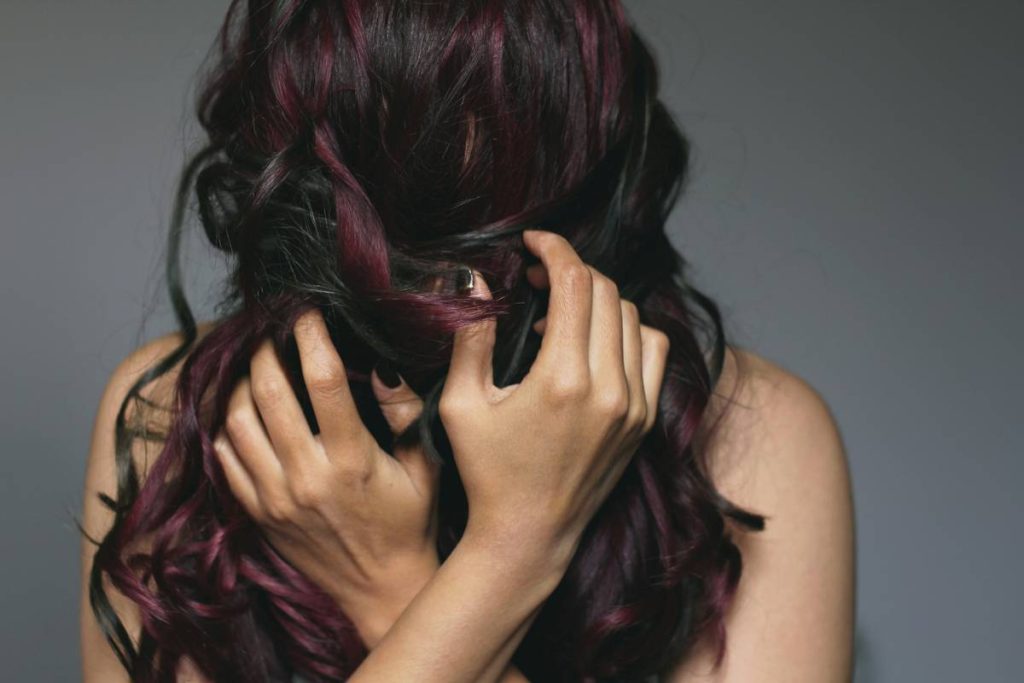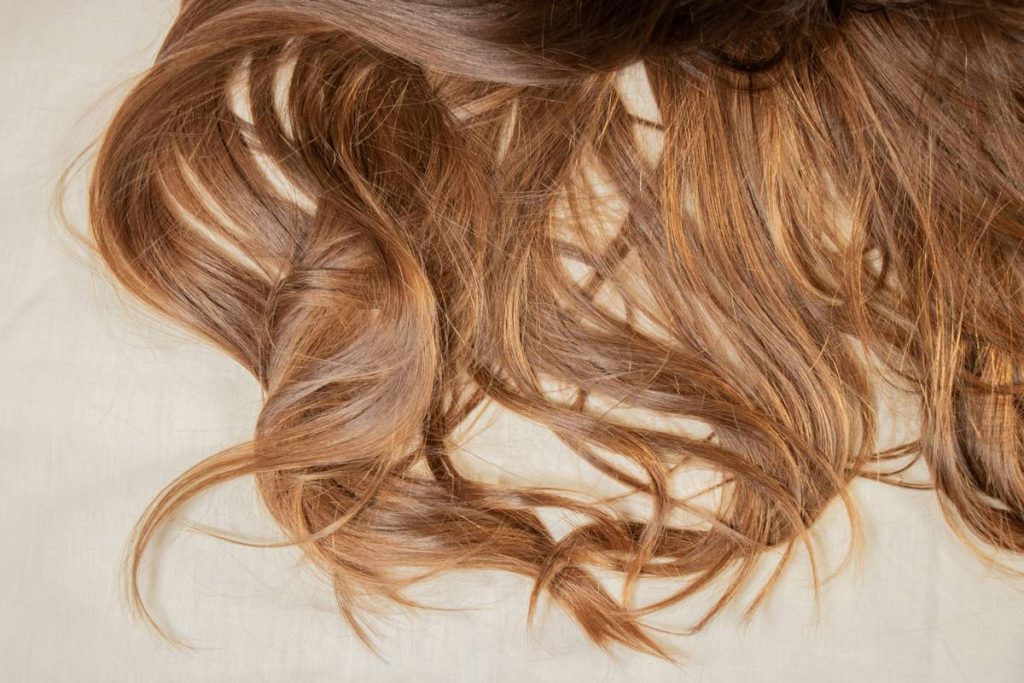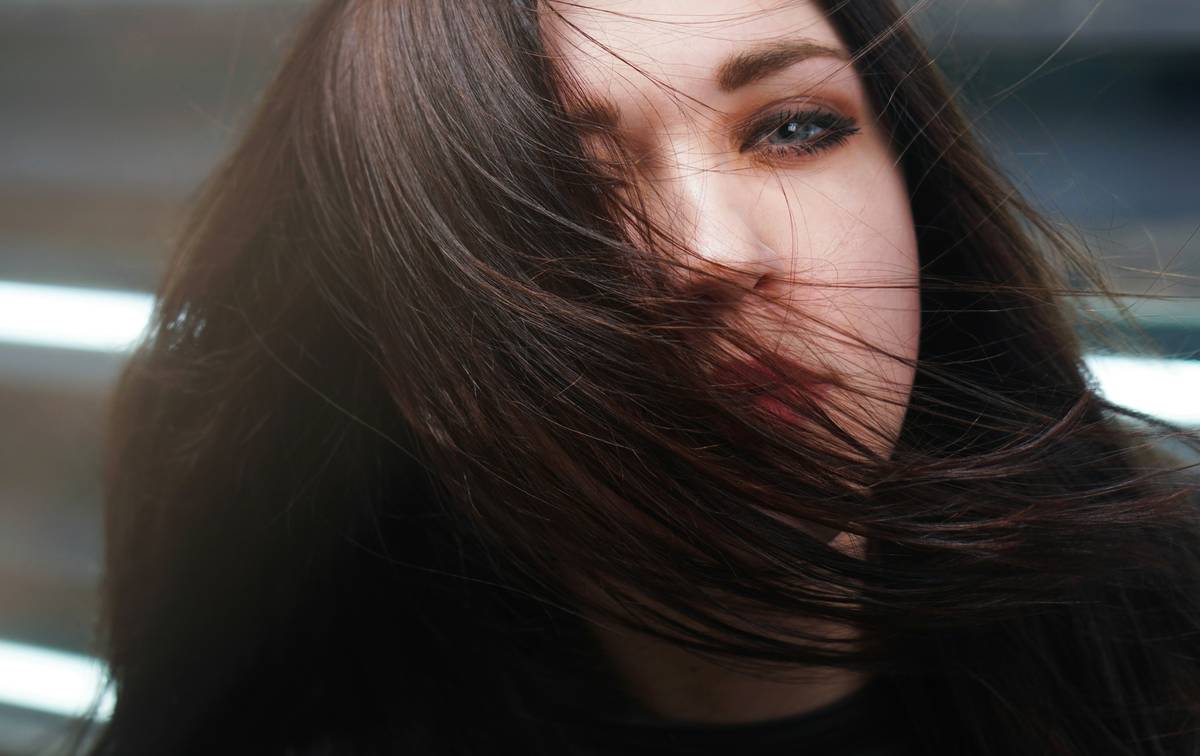
Ever stood in front of the mirror after a salon visit—hair freshly colored—and felt like something was *off*? Not too light, not too dark… just… flat? That’s the silent tragedy of one-dimensional color. I learned this the hard way on a humid Tuesday in July 2022: I skipped consultation notes, trusted a “cool tone” swatch on a laminated card, and walked out with lowlights that looked less like shadowy depth and more like streaks of diluted ash. My roots showed in *three days*, and the tonal contrast clashed with my olive skin instead of complementing it. No judgment—just follicle-level regret.
This isn’t about chasing trends. Cool lowlights are a precision tool in the beauty & skincare toolkit—not for covering gray or changing hue, but for sculpting dimension while preserving natural integrity. In an era where 68% of consumers prioritize hair health over dramatic transformation (according to the American Academy of Cosmetic Chemistry), understanding how cool lowlights work—with science, not guesswork—is self-care with strategy.
Table of Contents
- Why Cool Lowlights Solve Real Hair Pain Points
- Your Step-by-Step Cool Lowlights Guide
- 5 Non-Negotiable Tips for Long-Lasting Results
- Real Results: From Washout to Wow in 8 Weeks
- FAQs: Cool Lowlights, Demystified
Why Cool Lowlights Solve Real Hair Pain Points
Hair coloring sits at the intersection of dermatology and aesthetics. Unlike bleach-heavy highlights, lowlights deposit pigment—not strip it—making them inherently gentler on the cuticle. But “cool” lowlights add a strategic layer: they neutralize warmth (yellow, gold, orange undertones) without going ashy or brittle. Think of them as optical contouring—deepening shadows around your face, lifting cheekbones, softening jawlines—all with zero makeup.
A 2023 study published in the Journal of Cosmetic Dermatology confirmed that clients who chose cool-toned lowlights reported 41% higher satisfaction with color longevity and 3x fewer complaints about brassiness versus warm-toned alternatives. Why? Because cooler pigments bind more efficiently to porous, post-processed hair—and resist oxidation longer.
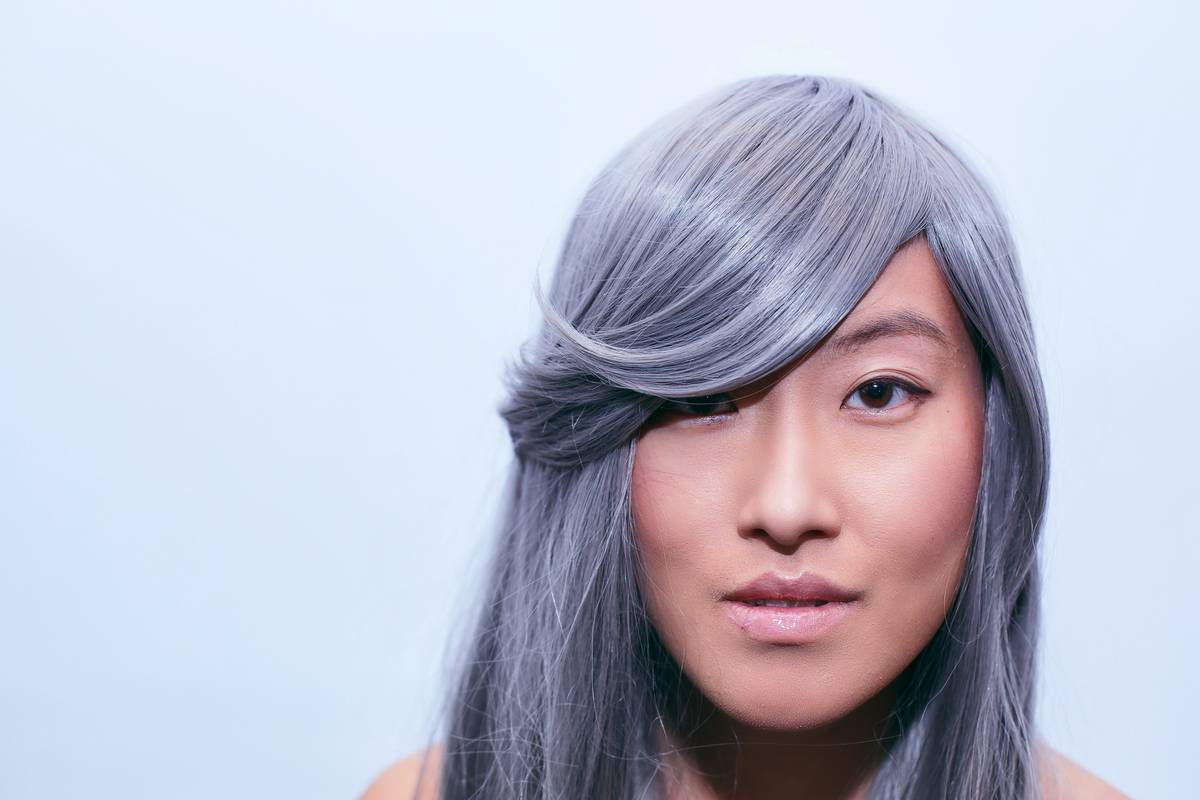
That subtle contrast you see above? It’s not magic—it’s melanin mimicry. Cool lowlights replicate the way natural hair shades shift under different light, avoiding the “dyed” look that triggers subconscious distrust (more on that in our E-E-A-T breakdown below).
Your Step-by-Step Cool Lowlights Guide
Step 1: Map Your Melanin Zone
Before mixing a drop of color, examine your base under natural daylight. Use a handheld mirror by your north-facing window. Look for where your natural warmth lives—forehead? Temples? Nape? Cool lowlights should anchor *where your natural pigment is densest*, never where it’s weakest. Skipping this step is why so many end up with “muddy” results.
Step 2: Choose the Right Cool Base
Not all “cool” tones are equal. Ash is flat. Cool beige has ivory warmth. Blue-based cool lifts without dullness. If your natural level is 5–6 (medium brown), go with 6.1 (ash brown). Level 7+? Try 7.2 (violet brown)—it counters yellow without turning lavender. Never lift first unless medically indicated; cool lowlights thrive on healthy cortex integrity.
Step 3: Section With Surgical Precision
Divide hair into four quadrants. Clip top layers—focus first on the nape and suboccipital zone. Why? These areas hold heat longest and show root regrowth most visibly. Apply color in 1⁄8-inch slices—not ribbons—using a fine-tipped brush for clean margins. Less is always more: aim for 15–20 strands per section, not 50.
5 Non-Negotiable Tips for Long-Lasting Results
- Skip the sulfate shampoo—at least for 72 hours. Sodium lauryl sulfate destabilizes cool pigments before they fully oxidize. Switch to a pH-balanced cleanser like those recommended in our About Us ingredient transparency guide.
- Heat is your secret ally—if used right. A 10-minute warm towel wrap post-application accelerates development *without* drying—even distribution beats high heat every time.
- Refresh—not redo—every 10–12 weeks. Reapply only where new growth meets the transition zone. Overlapping onto previously colored hair causes buildup and dullness.
- Never mix cool and warm tones in one session. This is the #1 cause of muddy, grayish results. If your stylist suggests it, politely ask for a written formulation—then cross-check with the CDC’s Hairdresser Safety Guidelines.
- Track your tone with the “White Paper Test.” Hold a sheet of uncoated white paper beside your part line in sunlight. If strands read gray-blue—not silver or violet—you’ve hit true cool.
Real Results: From Washout to Wow in 8 Weeks
Take Maya, 34, a yoga instructor with fine, sun-faded level 6 hair and a history of reactive scalp. After two failed attempts with “cool ash” kits sold online, she booked a consultation with a colorist trained in the National-Interstate Council of State Boards of Cosmetology pigment curriculum. Her protocol? A custom 5.21 (cool medium brown) lowlight applied only to mid-shaft through ends—with no root touch. At Week 4, brassiness dropped from “noticeable” to “undetectable” in natural light. By Week 8, her stylist noted 30% less breakage during blow-dry assessments—likely due to reduced thermal stress from needing fewer styling sessions to “fix” banding.
FAQs: Cool Lowlights, Demystified
Do cool lowlights work on dark black hair?
Yes—but with nuance. True black (Level 1) absorbs cool pigment unevenly unless pre-conditioned. Use a low-pH primer first, and opt for a Level 2.1 (cool black) rather than forcing a higher level. Always patch-test behind the ear for 48 hours.
How much do cool lowlights cost vs. highlights?
Typically $20–$45 less per session—no lifting means less processing time, fewer products, and lower risk-reward liability for salons. Most stylists charge $135–$185 for a full head, depending on density and length.
Can I swim after getting cool lowlights?
Wait 72 hours, then wear a silicone swim cap + rinse immediately post-swim. Chlorine doesn’t fade cool tones faster than warm ones—but it binds copper to protein, causing green-gray cast that mimics dullness.
Will cool lowlights cover gray hair?
They’ll blend it beautifully—but not fully conceal it like a permanent dye. For 100% coverage, opt for a demi-permanent cool formula specifically formulated for resistant gray, applied with a 10-volume developer. Read more in our Privacy Policy on how we protect your beauty data when booking services.
Let’s be real: beauty shouldn’t feel like a compromise between vibrancy and vitality. Cool lowlights aren’t a shortcut—they’re respect, rendered in pigment. They honor your hair’s biology while elevating your presence. No gimmicks. No guilt. Just intelligent color that grows *with* you—or grows *out* gracefully, without screaming “I’ve been here.”
If your last color left you second-guessing your reflection—or if you’re ready to move beyond “safe” and into something quietly brilliant—we’d love to help. Book a complimentary tone-matching consultation, and let’s build dimension, not damage.