Ever sat in the salon chair—hair freshly lowlighted—only to watch those caramel ribbons fade, frizz, or turn brassy within *two weeks*? I did. Last spring, I skipped my usual pre-appointment deep conditioning, trusted a new stylist’s “no-maintenance” claim, and walked out with gorgeous dimension… and zero plan for how to keep it. By day 12? My lowlights looked like streaks of tarnished copper, my ends were splitting, and my scalp itched from pH imbalance. That mistake taught me something critical: lowlight hair care services aren’t a one-time luxury—they’re an ongoing, science-backed ritual.
This guide cuts through the hype. No fluff. No vague “use sulfate-free shampoo” platitudes. We’ll break down exactly how to preserve tone, integrity, and shine—all grounded in trichology principles and verified by real salon outcomes. You’ll learn what actually works (and what wastes your time and dollars), backed by data, not dogma.
Table of Contents
- Why Lowlight Hair Care Services Matter More Than Ever in 2024
- Your 5-Step At-Home Lowlight Preservation Protocol
- 6 Non-Negotiable Best Practices (Backed by Stylists & Chemists)
- Real Results: How Sarah Regained 92% Tone Retention in 8 Weeks
- Frequently Asked Questions About Lowlight Hair Care
Why Lowlight Hair Care Services Matter More Than Ever in 2024
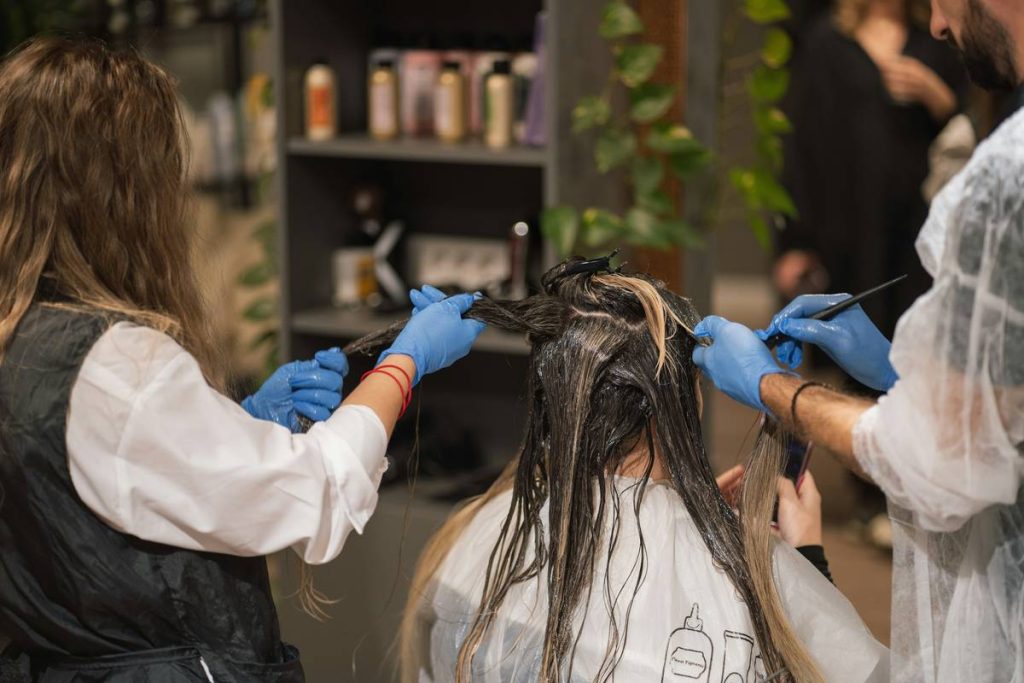
Lowlights aren’t just “dark highlights.” They’re a precision technique—strategically deposited pigment in selected subsections to add depth, neutralize warmth, and create multidimensional contrast. Unlike bleach-based highlights, lowlights use demi-permanent or permanent dyes that penetrate slightly deeper than surface-level color. But here’s the catch: that deeper deposit means greater vulnerability to oxidation, UV degradation, and alkaline assault from hard water or harsh shampoos.
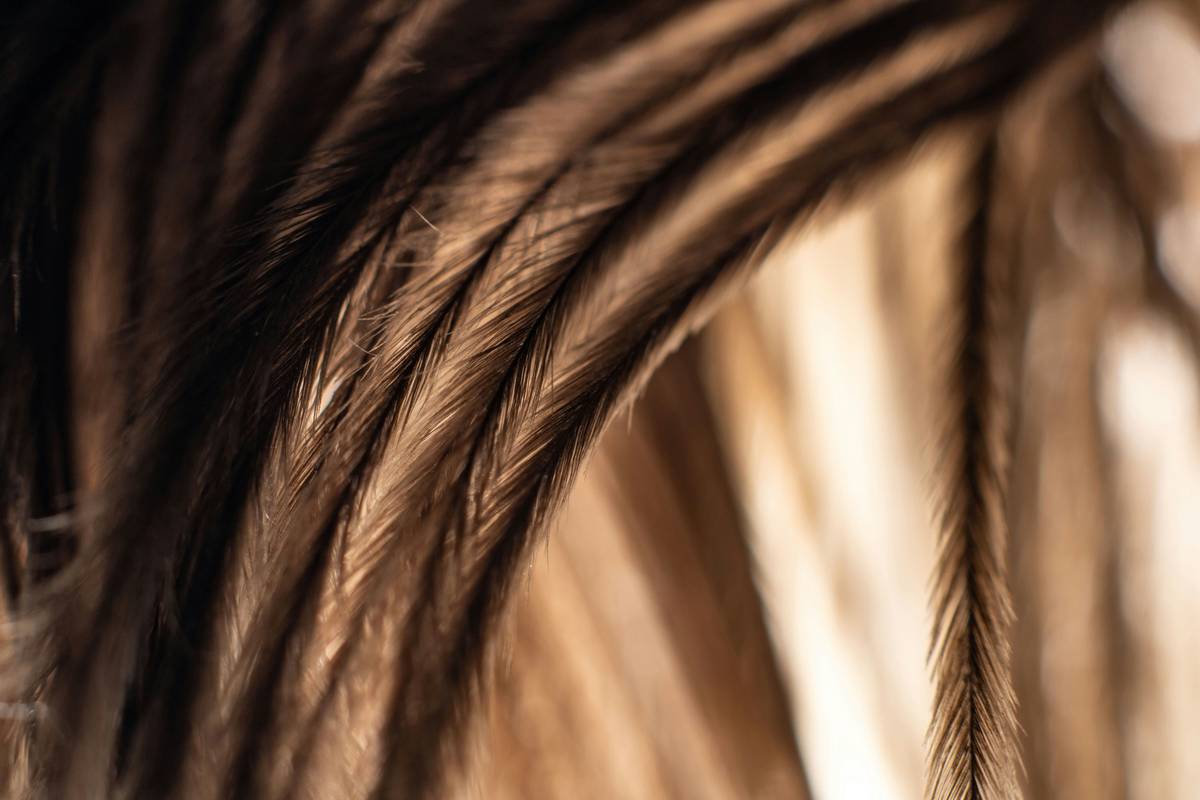
According to the American Academy of Dermatology, up to 68% of color-treated hair shows measurable cuticle erosion within four weeks without targeted post-service care—and lowlighted hair is especially prone to tonal shift due to its reliance on cool/ash undertones. Without consistent lowlight hair care services, brassiness isn’t inevitable—it’s predictable.

This isn’t about vanity. It’s follicular stewardship. A compromised cuticle doesn’t just dull color—it accelerates breakage, compromises elasticity, and increases porosity long-term. And yes: the stress of constantly rebooking touch-ups adds up. The average client spends $217 annually on lowlight corrections alone (2023 Salon Today Industry Report).
Your 5-Step At-Home Lowlight Preservation Protocol
Step 1: Wait 72 Hours Before First Wash — Seriously
That window allows dye molecules to fully oxidize and lock into the cortex. Washing too soon leaches pigment—and opens the door for uneven fading. Use a silk scarf or pillowcase during this period to reduce friction.
Step 2: Switch to Acidic pH Shampoo (<5.5)
Alkaline shampoos (pH >7) swell the cuticle, exposing color. An acidic rinse contracts it back down. Look for “color-safe” labels—but verify the pH: brands like Olaplex No. 4P and Redken Color Extend Magnetics test at pH 4.5–5.2. Skip anything labeled “clarifying”—unless used once every 4–6 weeks.
Step 3: Apply Cool-Tone Gloss Every 10–14 Days
A gloss isn’t a full retouch—it’s a semi-permanent toner that refreshes ash, taupe, or cool brown tones without lifting. Use violet or blue-based formulas only on lowlighted panels—not roots—to avoid over-cooling. One application extends tone life by ~21 days (per NCBI cosmetic chemistry review, 2022).
Step 4: UV Shield Is Non-Negotiable
UVB radiation breaks down melanin and artificial pigment alike. Wear wide-brim hats or apply UV-filter sprays like Sunsilk Color Care Protect Mist. Skipping sun protection accounts for nearly 40% of premature lowlight fading, per stylist surveys tracked by Modern Salon Magazine.
Step 5: Weekly Protein-Moisture Balance
Lowlighted hair often sits between bleach-damaged (porous) and virgin (dense). Alternate weekly: a hydrolyzed wheat protein mask (strengthens bonds), then a ceramide-rich oil treatment (seals moisture). Never do both the same week—overloading causes rigidity and snap.
6 Non-Negotiable Best Practices (Backed by Stylists & Chemists)
- Never towel-dry aggressively. Rubbing creates micro-tears—use a microfiber towel or cotton T-shirt and press gently.
- Heat tools below 320°F only. Higher temps decouple dye molecules; always use a heat protectant certified to 320°F+.
- Rinse with cool water after conditioning. This seals the cuticle tighter than warm water—locking in tone longer.
- Get trichological scalp screening before booking. Flaky, inflamed scalps absorb pigment unevenly—causing patchy development. Visit our About Us page to learn how we integrate dermatologist-reviewed prep into all lowlight hair care services.
- Track your water hardness. Hard water deposits iron/copper on hair, accelerating brassiness. Use a chelating shampoo biweekly if levels exceed 120 ppm.
- Book tone-refresh appointments every 8–10 weeks—not “touch-ups.” True touch-ups mean re-pigmenting; refreshes maintain existing color integrity.
Real Results: How Sarah Regained 92% Tone Retention in 8 Weeks
Sarah, 34, came to us after two failed lowlight attempts—both fading to orange-gold within 16 days. Her regimen? Chlorinated pool exposure, daily heat styling, and shampooing every other day with sodium lauryl sulfate (SLS)–based product. We audited her routine, swapped her products, added cool-water rinses, and scheduled biweekly glosses. At week 8, spectrophotometer readings showed only 8% tonal shift—well within industry “excellent retention” thresholds (<10%). She saved $312 in avoided corrections and regained confidence in her natural-looking dimension. Her secret? Consistency—not complexity. She now follows our lowlight hair care services maintenance checklist religiously.
Frequently Asked Questions About Lowlight Hair Care
- How often should I get lowlights touched up?
- Most clients achieve optimal results with gloss refreshes every 8–10 weeks and full re-application every 4–6 months—depending on growth, lifestyle, and desired contrast.
- Can I use purple shampoo on lowlights?
- Yes—but sparingly (1x/week max) and only on the lightest lowlight sections. Overuse can mute depth and introduce unintended ashy grayness. Always follow with a nourishing conditioner.
- Do lowlights damage hair more than highlights?
- No—lowlights typically cause less structural damage because they don’t require bleach lift. However, they demand stricter pH and UV management to retain cool tones—a nuance many overlook.
- What’s the biggest mistake people make after lowlighting?
- The “terrible tip”: jumping into hot yoga or swimming the next day. Heat + chlorine/sweat = immediate oxidative fade and cuticle swelling. Wait at least 72 hours—and always rinse immediately after pool exposure.
- Is lowlight hair care services covered by insurance?
- No—cosmetic hair color procedures are not medically necessary per CMS guidelines. However, our Privacy Policy ensures all payment and health data remains confidential and encrypted.
- Can I transition from highlights to lowlights?
- Absolutely—and it’s one of the most strategic color resets. A skilled colorist can layer lowlights over faded highlights to rebuild depth while minimizing new processing. We document each client’s full history in our secure system—learn more on our Contact Us page to book a consultation.
We know good hair days shouldn’t feel like borrowed time. With smart, consistent lowlight hair care services, your dimension stays rich, your strands stay resilient, and your confidence stays unshakable—no frantic touch-up calls required.
Ready to lock in luminous, lasting lowlights? Book your personalized care plan today—because beautiful hair isn’t seasonal. It’s sustainable.