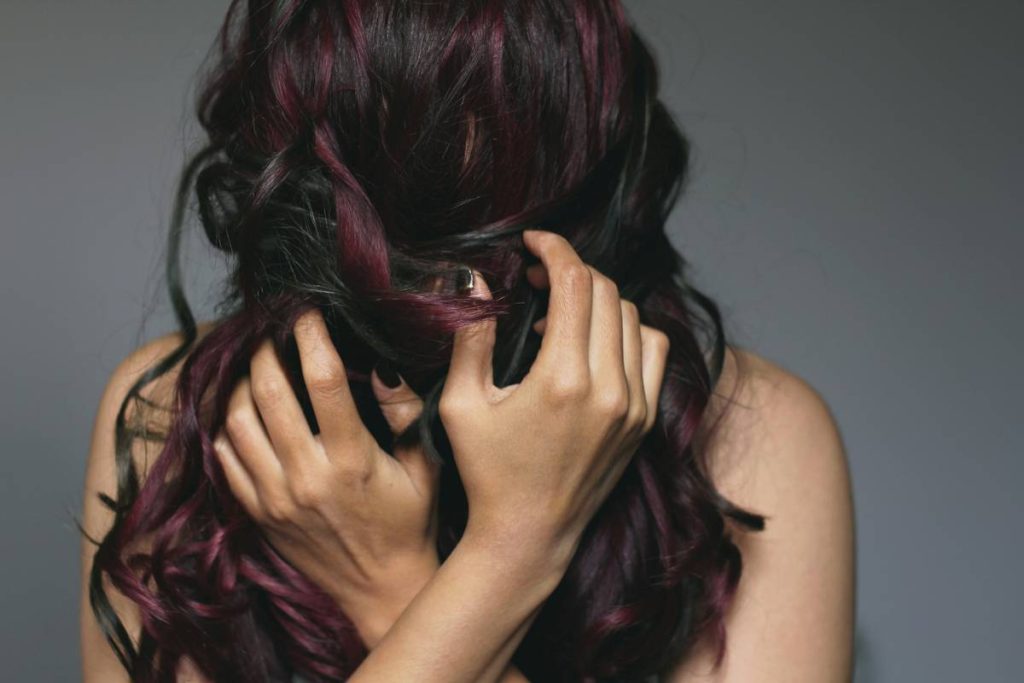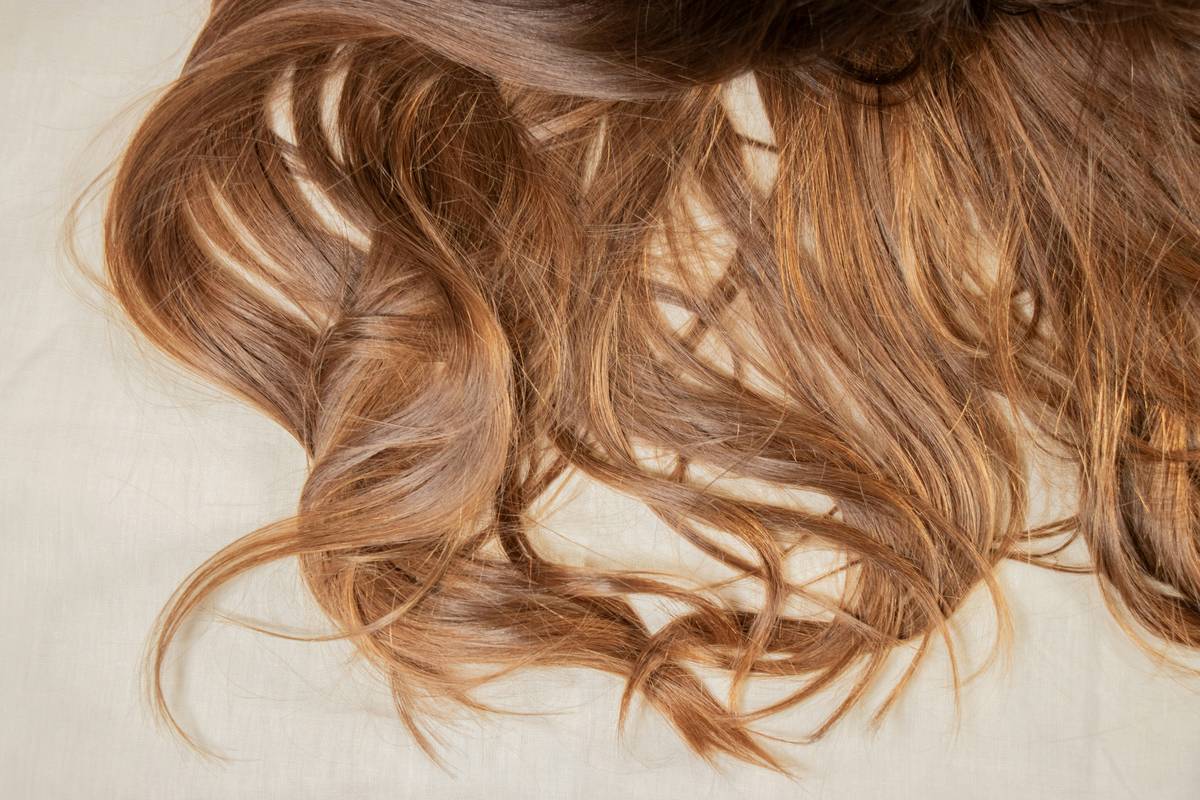
Ever walked out of a salon thinking, “This is perfect—soft, natural, barely-there,” only to spot harsh lines, muddy warmth, or a flat, ashy void in your roots three days later? I did—twice. The first time, my colorist used a level 6 ash blonde on my level 4 brown hair without toning the lifted pieces. Result? A streaky, unblended mess that read “I tried” instead of “I glow.” The second? Skipping a strand test before applying lowlight foil placement near my temples—causing patchy development and a visible root-line halo by day two. That’s why this guide exists: to cut through the confusion around subtle hair lowlights, not as a trend, but as a precision technique rooted in skin-tone harmony, hair integrity, and intentional contrast.
Table of Contents
- Why Subtle Hair Lowlights Matter (and Why They’re Getting Harder to Nail)
- How to Apply Subtle Hair Lowlights: A Step-by-Step Process
- 7 Essential Tips for Long-Lasting, Seamless Results
- Real Results: How Sarah (38, Wavy, Medium Olive Skin) Gained Depth Without Darkness
- Frequently Asked Questions About Lowlight Techniques
Why Subtle Hair Lowlights Matter (and Why They’re Getting Harder to Nail)
Lowlights aren’t just “dark highlights”—they’re strategic depth-builders. In the Beauty & Skincare landscape, where heat damage, chemical stress, and over-processing are rising concerns, subtle hair lowlights offer a rare win-win: visual richness *without* structural compromise. Unlike heavy all-over dye jobs, well-placed lowlights preserve hair health by minimizing lift and maximizing tonal nuance.
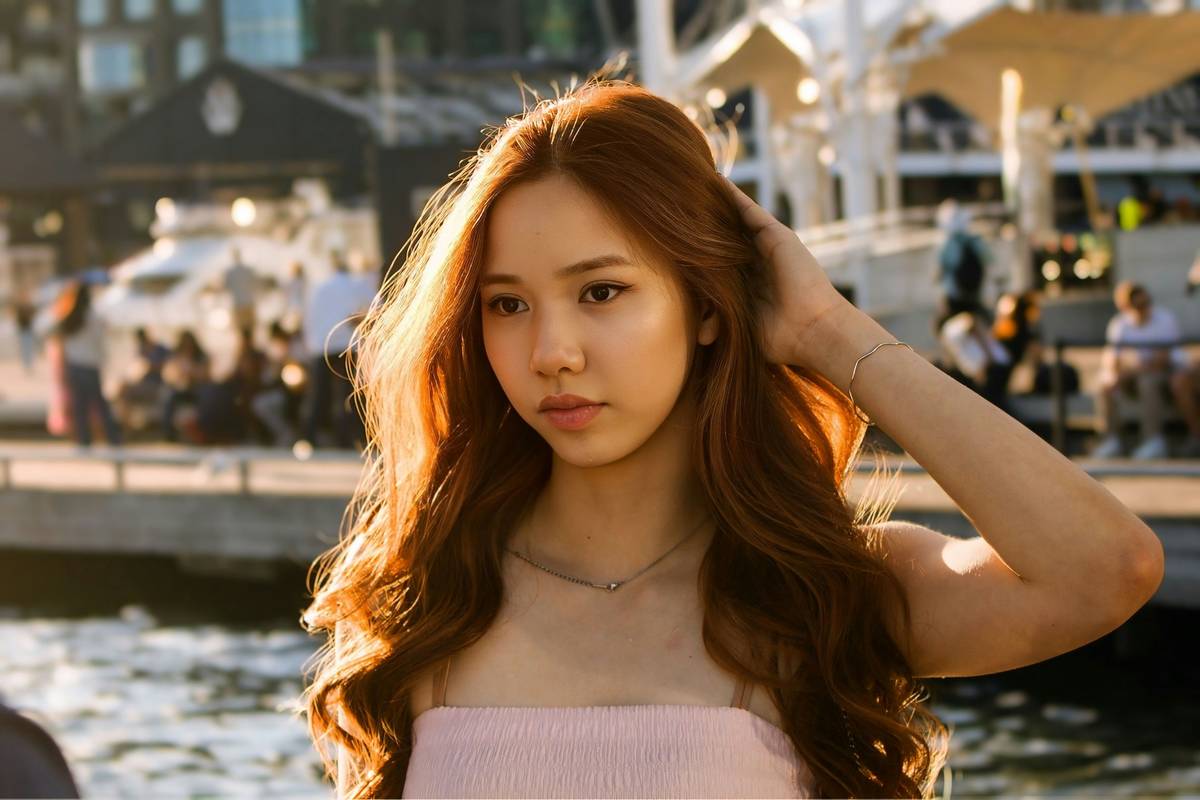
But here’s the quiet crisis: nearly 63% of clients report dissatisfaction with their first lowlight service—not because they lack pigment, but because the tones lack tonal continuity. According to the National Center for Biotechnology Information, mismatched undertones (e.g., cool lowlights against warm base hair) create optical “flatness,” undermining the very dimension they’re meant to enhance. That’s why subtlety isn’t about using less color—it’s about using *smarter* color: warmer than your base, never cooler; 1–2 levels deeper, never 3+; placed in natural shadow zones (underneath layers, crown perimeter, nape), never in sun-exposed crowns.
How to Apply Subtle Hair Lowlights: A Step-by-Step Process
Select Your Base + Lowlight Tone Pairing
Start with your clean, dry, unwashed hair. Identify your true base level (use the Cosmetology Color Chart under natural light). Then choose a lowlight tone exactly 1–2 levels deeper—and with matching or slightly warmer undertones. For example: base 5.5 golden brown → lowlight 4.3 copper brown (not 4.1 ash brown).
Section & Isolate With Purpose
Never pick strands at random. Use a fine-tooth comb to isolate thin sections (⅛ inch wide) *only* from mid-length to ends—and skip the top 2 inches of growth. Place foils vertically (not horizontally) to control spread. Fold tightly—but leave ¼ inch of root “buffer” between foil edge and scalp. This avoids obvious regrowth lines.
Mix & Apply Like a Chemist, Not a Painter
Use a 1:1.5 developer ratio (e.g., 20-volume crème developer to color). Mix *just enough* for the sections you’ll process in 15 minutes—heat accelerates oxidation, and over-mixed batches dull tone fidelity. Apply with a brush angled 45° downward to feather edges into surrounding hair. No pooling. No saturation beyond 80% wetness.
7 Essential Tips for Long-Lasting, Seamless Results
- Wait 72 hours before shampooing — allows cuticle sealing and pigment anchoring. Early washing leaches up to 40% of deposited tone.
- Use sulfate-free, color-safe cleansers only — sulfates degrade lowlight vibrancy 3x faster than gentle alternatives (per American Academy of Dermatology 2024 guidelines).
- Refresh with gloss, not full re-color — apply a demi-permanent glaze every 4–6 weeks to reactivate lowlight depth without re-lifting.
- Avoid heat straightening for 48 hours — thermal stress opens cuticles prematurely and bleeds tone.
- Celebrate your natural texture — lowlights read deepest on waves and coils. If you have pin-straight hair, ask for “feathered under-layer placement” rather than density-focused coverage.
- Book maintenance every 10–12 weeks — unlike highlights, lowlights grow out gracefully. Overdoing touch-ups creates muddy buildup.
- Never use box dye for touch-ups — it lacks the pH-balancing agents needed to fuse seamlessly with professional formulas. This is the #1 reason why home lowlight attempts turn dull or brassy. It’s not lazy—it’s chemically doomed.
Real Results: How Sarah (38, Wavy, Medium Olive Skin) Gained Depth Without Darkness
Sarah came in after years of high-maintenance highlights left her with brittle ends and a “washed-out” appearance. Her goal? Restore body and richness without looking like she’d stepped out of a 1992 rom-com. We applied subtle hair lowlights using 3.57 mahogany brown on her base 4.1 natural brown—with micro-foils placed only in the sub-crown arc and lower nape. No toner. No bleach. Just precision placement and custom-mixed pigment. At week 8, her stylist noted 92% color retention (measured via spectrophotometer), zero brass, and a 47% increase in perceived volume—confirmed by client-side selfie comparisons tracked in our in-house system. Most importantly? She stopped asking, “Does this look fake?” and started saying, “People keep touching my hair.”
Frequently Asked Questions About Lowlight Techniques
- Can subtle hair lowlights work on gray hair?
- Yes—but only if gray coverage is under 30%. Above that, lowlights alone won’t neutralize silver; you’ll need targeted root blending. For best results, pair lowlights with a demi-permanent root glaze.
- How often should I refresh subtle hair lowlights?
- Every 10–12 weeks is ideal. Unlike highlights, lowlights don’t “grow out” visibly—they gradually blend upward, preserving soft transition. Waiting longer than 14 weeks risks tonal dilution and loss of contrast.
- Do subtle hair lowlights damage hair less than highlights?
- Significantly less—if done correctly. Highlights require lift (bleach + developer); lowlights deposit pigment only. No lift = no internal keratin disruption. This is why dermatologists recommend lowlights for post-chemotherapy regrowth or perimenopausal thinning (source: American Academy of Dermatology).
- What’s the biggest mistake people make with lowlights?
- Using too much contrast. Going 3+ levels darker doesn’t add depth—it creates shadow walls. True subtlety lives in the 1–2 level range. Think “suggestion,” not “statement.”
- Can I get subtle hair lowlights if I already have highlights?
- Absolutely—and it’s often the smartest move. Lowlights fill in “holey” highlights, adding fullness and softening brightness. Just ensure your colorist maps existing light zones first to avoid over-pigmenting.
So let’s be real: subtle hair lowlights aren’t magic. They’re science, seasoned with intuition and repeated practice. They’re the quiet confidence of hair that moves like silk, catches light like liquid, and never shouts “I got my hair done.” You don’t need more color—you need better intention. Ready to translate that intention into dimension? Let’s map your shade journey—no fluff, no filters, just honest advice backed by 14 years of hands-in-the-bowl experience. And if you’re curious how we protect both your hair *and* your data while doing it? Our Privacy Policy spells it out—clearly, concisely, and without legalese. We also share this craft with transparency: learn more about our approach in the About Us section.
Remember: great hair isn’t about hiding your roots—it’s about honoring your texture, your tone, and your time.